
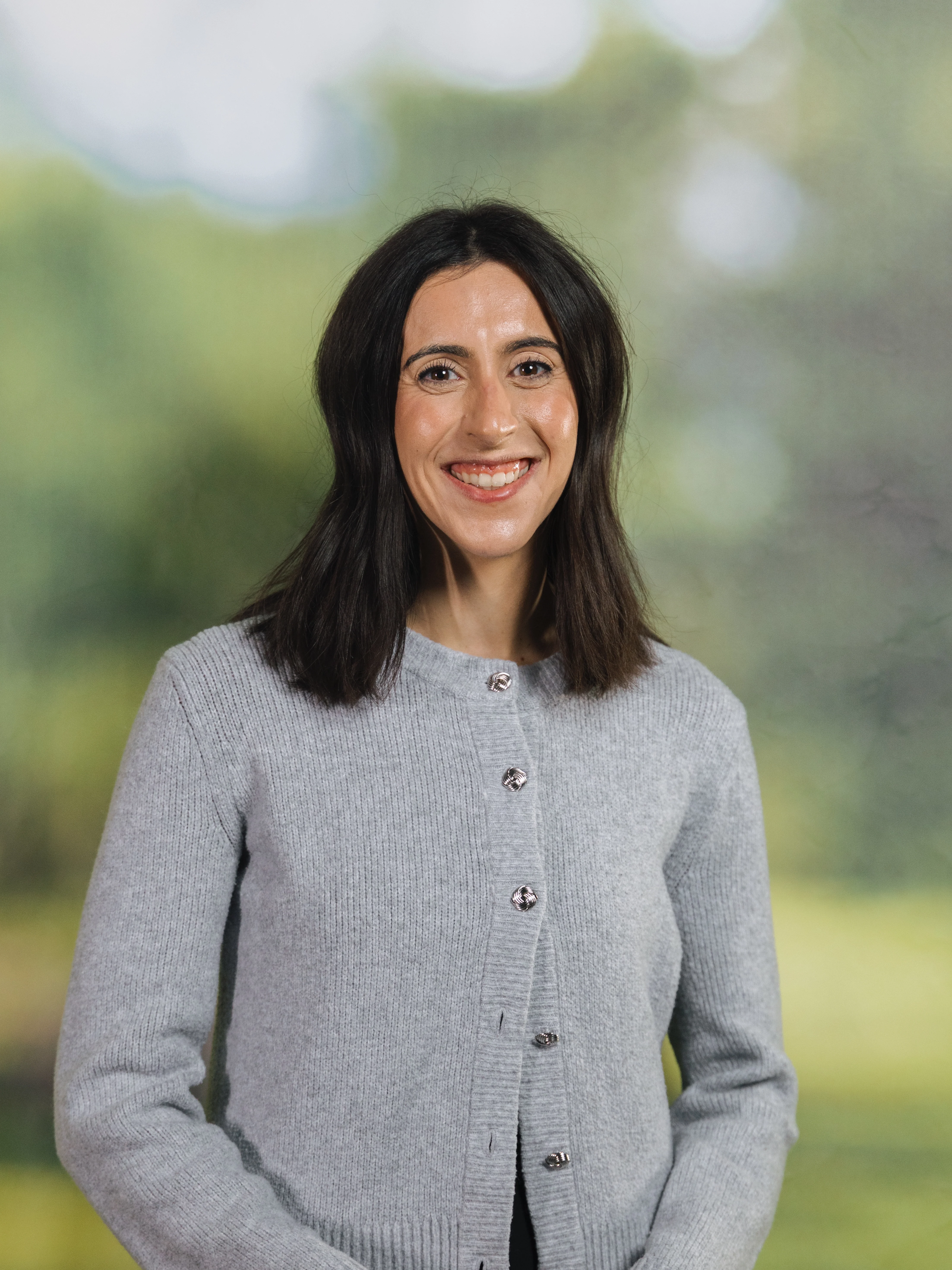
Years later, she recognizes most kids that age are thinking about lunch plans or the weekend, not an essential, yet obscure, operating room role.
But life-altering moments can occur at any age: Taylor was 17 when she observed an open-heart surgery at Allegheny General Hospital in Pittsburgh, Pennsylvania. In that operating room, her curiosity about one machine — and the specialist running it — not only inspired a future goal, but it's how she makes her living today.
("The Practice" is a regular feature on Waves that explores healthcare careers through the people doing the work. In this installment, Taylor shares her path to perfusion and how, after graduation in 2023, she landed a job in that same operating room. )
We asked, and Taylor Burawa answered: What is a perfusionist?
What is a perfusionist?
It's very important for the heart to be motionless and empty during open-heart surgery so the surgeon can put sutures in it and open the heart. It's my job to make sure that happens then also keep the patient oxygenated, keep their anesthetic gases running, monitor their temperature, etc.
A perfusionist runs equipment, such as the heart-lung machine, during open-heart surgery and other procedures in which a patient needs artificial support for their circulatory or respiratory function.
Why did you want to become a perfusionist?
In high school, I watched an open-heart surgery as part of my anatomy and physiology class. I saw the perfusionist, and I remember asking afterward, "What is that machine down there? Who is that person? What did they do?" I knew right then and there I would become one. I'm a mechanically inclined person, and I love being able to operate the equipment. It's a very technically skilled and specialized role. I also love that I work in the very operating room that I got to see at 17 years old.
Can you describe your educational journey?
I attended Carlow University, which offers a fast-track program, and completed my schooling in four and a half years rather than the typical five and a half years.
With the accelerated path, I took courses over the summer and 18 credits a semester, but I would absolutely do it that way again. During perfusion school, you also need to successfully perform 75 cases.
Upon graduation, to become board certified, you get a job and complete 40 cases on your own then sit for the test. At 22 years old I began working with some of the top surgeons in the country. It's an excellent opportunity to get into healthcare quickly.
What skills or personality traits make someone a good perfusionist?
It's a very detail-oriented job and takes a lot of confidence. You need to be able to communicate well and collaborate with others, talking to your surgeons, your anesthesiologists, etc.
You must also be curious. It's OK to ask questions and OK to be a patient advocate.
What does your typical workday look like?
I usually get into work at 6:30 a.m. At 7 a.m., I get a patient, and I review their charts and look at their history. Then I go into the OR and check my pump to make sure all the safety devices work. We get the patient and surgery starts. It can last anywhere from two to eight hours depending on the case, and your workday ends when it does.
You do work on call as a perfusionist. At AGH, we come in at 7 p.m. and stay until 7 a.m., or 7 p.m., the next day if it falls on the weekend. I usually do one on-call shift during the week and one weekend a month. At smaller community hospitals, you're on call from home. Despite this, I do get a lot of time at home with family and consider the work-life balance to be great.
Do you work only on cardiac surgery cases?
A lot of people think we just handle open-heart surgery, but I would say it's 50 percent that and 50 percent getting to do other cases. We also run a form of bypass for liver transplants and equipment involved in orthopedic surgery, which involves a lot of blood loss. We handle cell saver machines in labor and delivery cases. It makes the job exciting.
How do you handle high-stress situations in surgery?
I rely on my training. I am responsible for a person's life, which brings a lot of pressure, but I fall back on what I learned in school and collaborate with my colleagues and what they tell me to put forth my best effort into a patient's care.
Can you describe a moment that changed the way you did your job?
I recently worked on a high-risk patient who we thought may not make it through the procedure. While prepping for it, I told myself that I'm this person's only shot of survival.
Sometimes you drag your feet going to work and then when you walk in the door and encounter someone and their family going through the worst day of their life. It changes your perspective. You might be stressed, you might be tired, but at least you woke up healthy and able to go to a job.
On the positive side, I love when I get to see a patient, who maybe thought they wouldn't make it, sitting and eating dinner with their loved ones. Or, when I'll hear stories a few months after surgery about how they now walk two miles a day.
One of my former patients mails me cards and got me a wedding gift. Connections like that make the hard moments that sometimes keep you up at night worth it.
Do you interact with patients as a perfusionist?
I don't do a lot of bedside patient interaction. My patients typically come to me intubated and sedated. If I work an extracorporeal membrane oxygenation (ECMO) case, I will do rounds on a patient and occasionally speak with their family to answer a couple questions.
What does the career path look like for a perfusionist?
Most perfusionists work in the clinical setting for the rest of their career. I think it says a lot about what we do that once someone becomes one, they stay one because they enjoy it.
Some move into management roles, such as chief perfusionist, who oversees a particular perfusion group at a hospital, or a director, who runs an entire health system's perfusion program. We also see people become pediatric perfusionists, which require a few years of professional experience.
If they want to leave the clinical setting, someone may go into medical sales where they sell the equipment we use on a daily basis or become an ECMO specialist.
Perfusion does bring in a lot of nurses or respiratory therapists looking to transition into our field.
What advice would you offer an aspiring perfusionist?
You can take so many different avenues in healthcare beyond becoming a doctor or a nurse. Perfusion allows you to be involved in critical care and in the operating room. Students should study hard and keep going. If I can do it, anybody can. It's worth it in the end.
(Interested in becoming a perfusionist or exploring other healthcare careers? Portage Learning offers online, self-directed college courses that help you affordably complete the prerequisites needed for your program. Credits earned transfer to more than 2,800 institutions. Register today and start tomorrow.)
Still looking for answers?
Check out the FAQs about this article below.


